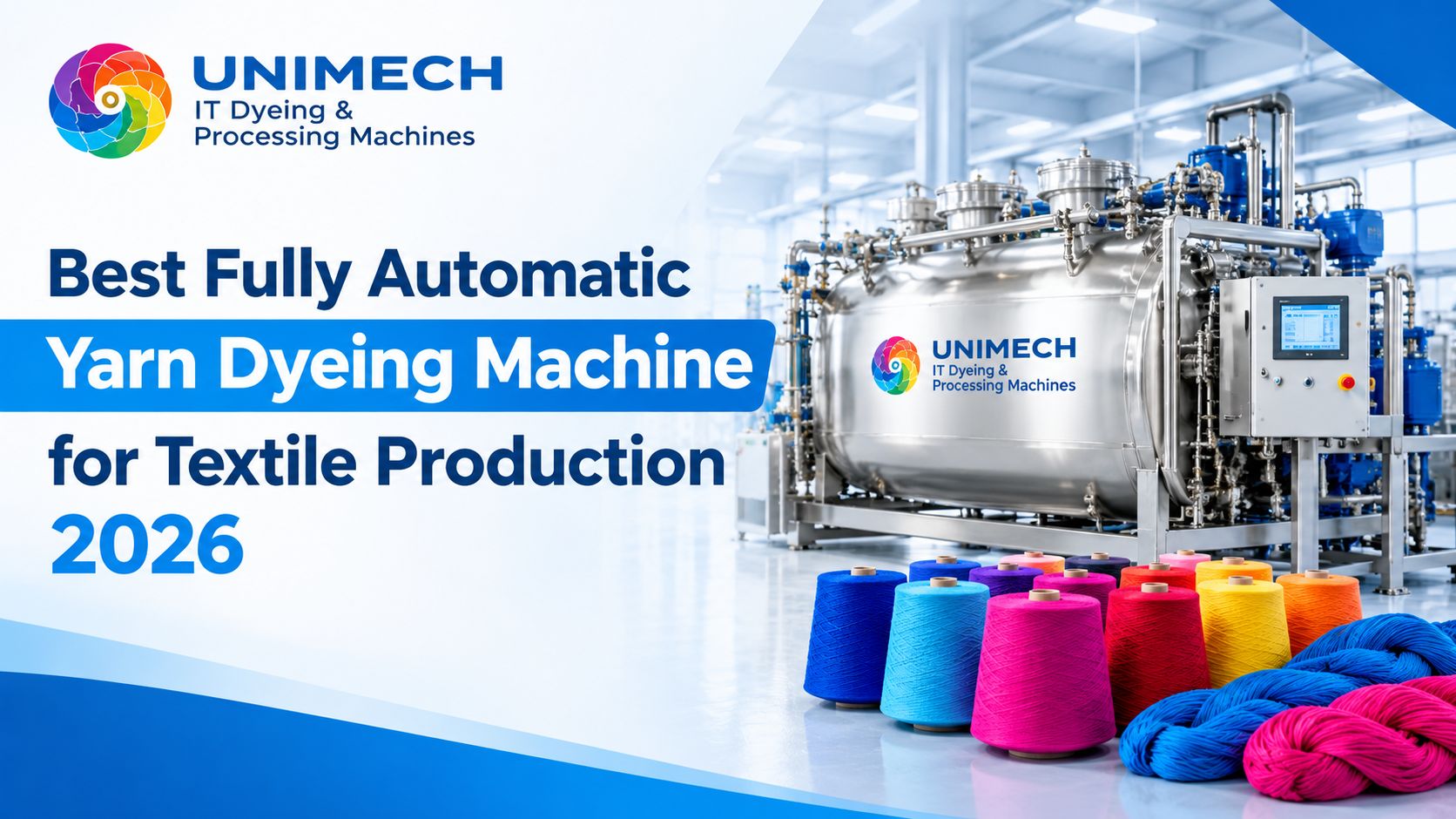
The uniform dyeing of textiles, controlled processing and efficient handling of yarn packages are essential for modern textile production. Automated equipment can help to minimize repetitive manual tasks and ensure more consistent operating conditions as manufacturers deal with increased production volumes. By selecting appropriate Fully Automatic Yarn Dyeing Machines Manufacturers In Noida, textile businesses can assess the equipment based on their production capacity, dyeing requirements, automation level, energy consumption, and available space. The right machine can help to make the processing smoother and controlled dyeing cycles.
For textile companies looking at automated yarn dyeing equipment for their production needs, Unimech Engineers may be considered. Fully automatic yarn dyeing machines are engineered to synchronize various stages of the dyeing process using controlled systems, minimizing the need for manual intervention. Buyers can review the machine configuration, package capacity, process controls, material compatibility, maintenance needs, and operational needs before making a choice of equipment. Knowing production goals can assist businesses to select machinery that works for them.
When the volume of production increases, and the processes are heavily reliant on manual coordination, yarn dyeing operations can become difficult. Production planning can be impacted by inconsistent settings, longer cycle times and frequent operator intervention. Businesses also require uniformity in the batches of yarns, and they must have control over water, dyes, energy and labour.
One of the other issues is to choose the right machinery for production. Inappropriate capacity or controls can result in restrictions instead of efficiencies. Before buying an installation, textile businesses need to take into account installation space, package arrangement, maintenance access, automation features and compatibility with existing systems.
Automation can simplify the yarn dyeing process by synchronizing the different stages of the process with programmed controls. Operators can control cycles that are repeated multiple times without manual adjustments, based on production needs. This can help with organization and help keep track of batches.
Machine should be in line with the type of yarn, package capacity, production volume, method of dyeing, temperature required, and available utilities. By discussing the specifications with experienced manufacturers, appropriate configurations can be identified. Reliable performance can be further enhanced by proper installation, training and maintenance.
For textile manufacturers, fully automatic yarn dyeing machines can aid in streamlining repetitive dyeing tasks, ensuring consistency and control. Automated process management can minimize any unnecessary manual intervention, and help with defined production cycles. Automation can make the routine monitoring easier and enhance the coordination between the dyeing stages. If properly matched to the workflow, it can facilitate the handling of batches and the utilization of production resources.
Key benefits:
When evaluating Fully Automatic Yarn Dyeing Machines Suppliers In India, factors like machine capacity, controls, energy requirements, maintenance, and production suitability can help in evaluating the available options. Appropriate equipment and periodic maintenance can help to ensure production for longer periods of time.
Purchasers should consider production volume, type of yarn, package size, dyeing needs, level of automation, space and utility connections before choosing a machine. Capacity should be the same as the expected batch sizes. Other factors that buyers should consider include controls, ease of operation, safety, cleaning, and access to parts.
Service support, spare parts availability, installation support and maintenance are also factors of long-term suitability. Similar handling systems may also be considered for businesses. In this scenario, Yarn Packages Hydro Extractor Exporters in India may come into play, as certain facilities might need to remove excess moisture from dyed yarn packages before they undergo additional processing.
Where yarn requires controlled and repeatable colour processing, fully automatic yarn dyeing machines can be used. They can be used for various yarn materials and packages depending on the machine configuration. Automated controls are helpful for facilities that have frequent schedules and several batches.
Supporting equipment can prepare yarn for drying, winding or packaging after dyeing. For plants that have a larger yarn production line, Yarn Packages Hydro Extractor Exporters in India might be applicable. Appropriate equipment can establish a more streamlined production process.
Businesses seeking textile machinery according to their production requirements can consider Unimech Engineers. Buyers can assess capacity, configuration, automation, installation and maintenance. Comparisons of machinery can be more effective if they are made from a requirement point of view.
The specifications, process controls, capacity, construction, service support, and production suitability are the factors that businesses need to consider when comparing Fully Automatic Yarn Dyeing Machines Manufacturers In Noida. These are all factors they can consider when choosing a yarn dyeing solution.
The emphasis of textile machinery is increasingly on automation, process control, resource efficiency and easy monitoring. Manufacturers are creating equipment that has better controls and more coordinated operating systems to enable repeatable production. When assessing machinery, businesses are also considering more energy consumption, water management, ease of maintenance and production consistency.
When comparing Fully Automatic Yarn Dyeing Machines Suppliers In India, factors such as automation, flexibility in processes, efficiency, and technical support may be significant. These developments are promoting facilities to use organized production with reduced human labor.
Selecting the appropriate Fully Automatic Yarn Dyeing Machines Manufacturers In Noida involves considering various factors such as capacity, automation, process control, yarn compatibility, installation requirements, maintenance, and production needs. With the help of a well-matched machine, the textile industry can carry out repeated dyeing operations in a more systematic manner and can process and arrange production in an organized manner. When purchasing equipment, buyers should do some technical specification and operating requirement comparisons.
When considering automated yarn dyeing solutions for textile manufacturing, businesses can look to Unimech Engineers. Checking machine configuration, capacity, controls, service requirements and workflow compatibility can help determine appropriate equipment. Automated dyeing equipment can be used to achieve efficient and reliable production if it is selected, installed and maintained properly.
1. Why consider Unimech Engineers for yarn dyeing machinery?
Unimech Engineers can be assessed based on machine configuration, production requirements, and automation requirements.
2. What are fully automatic yarn dyeing machines used for?
They are designed to work with yarn packages for controlled and automated dyeing processes.
3. What should buyers check before purchasing?
They should consider capacity, yarn compatibility, automation, controls, utilities, maintenance and installation requirements.
4. Can automated machines support different production requirements?
Yes. Different configurations may be chosen depending on the type of yarn, batch size, process requirements and production volume.
5. What should businesses discuss with Unimech Engineers?
Unimech Engineers can consult with businesses regarding capacity, machine specifications, installation requirements, controls and maintenance.

Controlled temperature, uniform dye penetration, and equipment that can accommodate challenging production schedules are all essential to the textile processing process.
Read More
Zip dyeing is a significant textile processing technique and requires zipper tapes to be consistently colored, treated and reliably finished.
Read More
The uniform dyeing of textiles, controlled processing and efficient handling of yarn packages are essential for modern textile production.
Read More
HTHP tubular zipper tape dyeing machines are engineered for textile dyeing applications .
Read More
Beaker dyeing machines are laboratory dyeing systems that can be used for testing colour, dye behaviour and textile samples under controlled conditions.
Read More
Hydro extraction is a significant textile-processing step to remove excess water from fabrics after washing, dyeing and rinsing.
Read More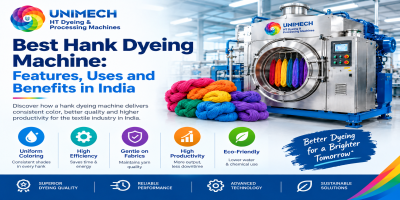
A Hank dyeing machine is a kind of equipment used to dye yarn in the textile industry, which can dye the yarn evenly and provide appropriate control of colour penetration and treatment conditions.
Read More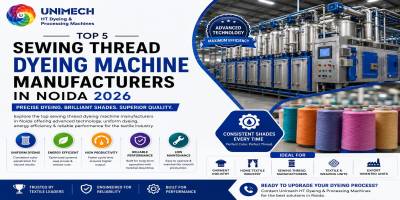
In the textile and garment industry, sewing thread dyeing is a crucial process in producing high-quality and consistent thread
Read More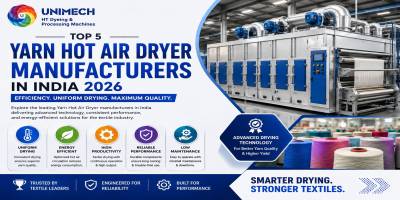
Yarn hot air dryers are essential equipment in textile processing, which are used for drying the yarn after dyeing, washing, and other wet processing.
Read More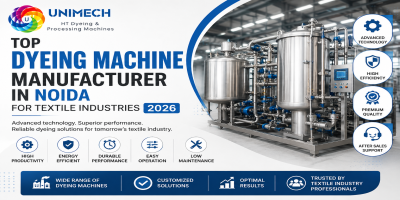
Dyeing is a vital operation in the textile industry, because it plays a significant part in the color, appearance, quality and overall finish of the yarn and fabric.
Read More
The textile industry is evolving fast and the requirements for the industry are rising for precision dyeing
Read More
The textile sector has experienced an amazing transformation in the last ten years.
Read More
The textile industry operates on the principles of speed, precision and sustainability.
Read More
The textile industry is moving fast with the advanced level of automation and modern dyeing technology. Yarn dyeing machines are one of the significant technological innovations that have contributed to the production of high-quality yarns
Read More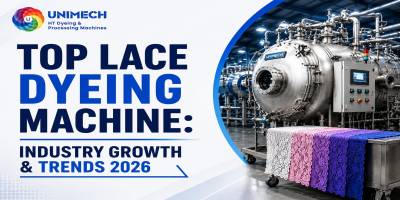
The textile processing industry is being revolutionized by the innovative capabilities of theLace Dyeing Machine Manufacturers, in their efforts to achieve greater automation, energy efficiency, and precision in dyeing.
Read More
Textile producers are increasingly interested in innovative dyeing technologies with high performance and reduced costs, aiming to enhance production quality and efficiency.
Read More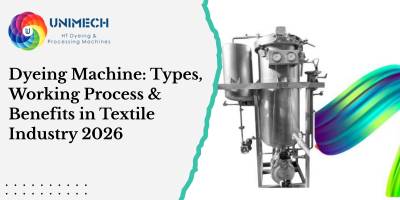
The textile industry relies heavily on advanced machinery to produce high-quality fabrics and yarns. One of the most essential technologies in textile processing is the Dyeing Machine, which ensures consistent color application on fibers, yarn, or fabric. With the rapid advancement of textile manufacturing in 2026.
Read More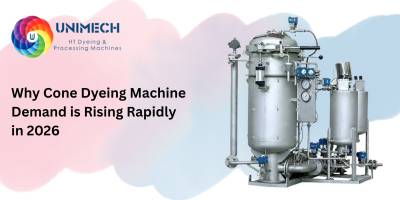
The textile industry is evolving quickly due to automation, sustainability requirements, and global demand for high-quality dyed yarns. In this transformation, the Cone Dyeing Machine has become one of the most important pieces
Read More
Running a textile business is not easy. One of the most important decisions is choosing the right yarn dyeing machine. The machine you pick affects how fast you can work, how good the colors look, and how much it costs to run your business.
Read More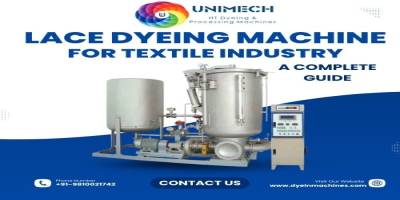
The textile industry depends on modern machines to make fabrics look attractive and high-quality. Dyeing is one of the most important processes in this journey. For delicate fabrics like lace, the dyeing process needs extra care. This is where the Lace Dyeing Machine becomes an essential tool for textile businesses.
Read More
The textile field has seen many new developments over the past few years. Today, businesses need speed, consistency, and quality to stay ahead. One machine that makes a big difference in yarn processing is the Cone Dyeing Machine. It plays a key role in giving yarns rich, uniform colors that last.
Read More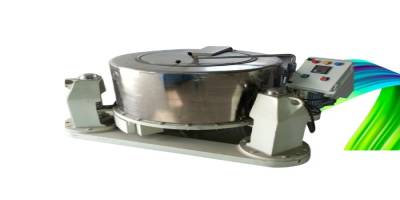
We are the top Hydro Extractor Machine Manufacturers in Noida. Among all the important machines in the textile and laundry industries, the hydro extractor machine removes excess water from fabrics, yarns, or clothes. The centrifugal force produced at a very high speed by the machine efficiently reduces the moisture content and thereby gets the materials ready for other subsequent processes like drying or finishing. Proper selection of a hydro extractor machine is one of the major decisions to be made, as productivity, efficiency, and quality of the end product will directly depend upon this selection. The following guide takes you through the things to look at before making a choice of investment in hydro extractor machines.
Read More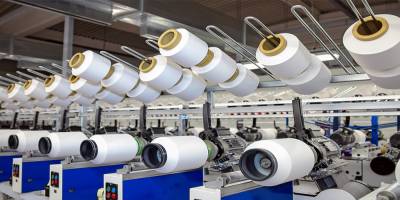
Since the modern machinery of yarn dyeing has been equipped with computerized automated systems, it results significantly in enhancing the efficiency, accuracy, and sustenance of the entire drying process. This aspect happens to be particularly useful for textile manufacturers operating projects on large scales that always require consistency in the dyeing of colour and quality. We are the most reliable Yarn Dyeing Machine Manufacturers in Noida. This approach has not only saved extra labour and time in general but has also helped the segment overcome some major setbacks brought about by the old procedures of manual dyeing.
Read More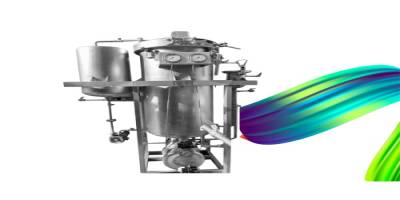
Yarn dyeing has been one of the crucial steps of textile manufacturing, whereby yarn attains colourful shades that form a beautiful fabric. Such processes constitute the heart of yarn-dyeing machines, which help achieve even and effective yarn dyeing. These machines are essential in industries needing high-quality and precisely coloured textiles while sustaining large-scale production capacity. Choose Unimech Engineers Pvt Ltdin case you are in search of Dyeing Machine Suppliers in India.
Read More
Hank Dyeing Machines are used in the textile industry and contribute largely to providing quality results by using yarning of delicate processes coupled with a shiny, even dye appearance. These are those machines designed to dye yarns, especially in their "hank" form, loose skeins in a process basically considered similar to what has been enacted upon, done these years that guarantee to come up with equal dispensations of dyes, standing across as rich, superior shades. Hank dyeing is normally used on natural fibres, such as wool, silk, and cotton since these require more gentle treatment to maintain their structure and softness.
Read More